Mind-Boggling Neurons: Unraveling the Wonders of the Brain's Building Blocks
Mind-Boggling Neurons: Unraveling the Wonders of the Brain's Building Blocks
Introduction
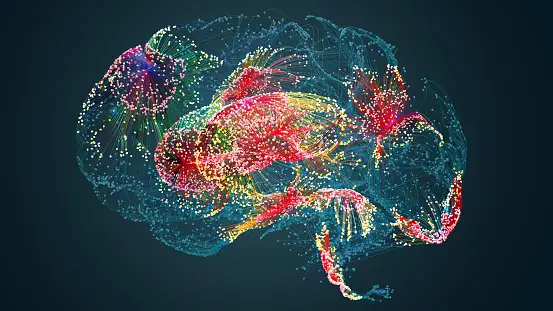
Within the intricate landscape of the human brain lies a mind-boggling wonder - neurons. These tiny, yet powerful, cells serve as the building blocks of our nervous system, enabling communication and coordination between billions of neurons. Neurons play a fundamental role in shaping our thoughts, emotions, and actions, creating the foundation for our cognitive abilities and consciousness. In this blog, we embark on a journey to explore the remarkable world of neurons, delving into their structure, function, and the awe-inspiring capabilities that make them the essence of human intelligence.
The Remarkable Neurons
Neurons are specialized cells designed for transmitting electrical and chemical signals within the brain and nervous system. They are responsible for processing information, conducting impulses, and forming intricate neural networks that support various brain functions.
Neuronal Structure
A typical neuron consists of three main parts - the cell body (soma), dendrites, and axon. The cell body contains the nucleus, which houses the cell's genetic material. Dendrites are branching extensions that receive signals from other neurons and transmit them to the cell body. The axon is a long, slender extension that carries the electrical signals away from the cell body, transmitting them to other neurons or target cells.
Neural Networks: The Complexity of Connections
The brain's power lies in the complex connections formed between neurons. These connections, known as synapses, facilitate the transmission of signals through chemical messengers called neurotransmitters. It is estimated that the human brain contains about 86 billion neurons, with each neuron having the potential to connect to thousands of others, resulting in trillions of synapses. This intricate web of connections allows for the remarkable capacity of the brain to process information and create our conscious experiences.
Plasticity and Learning
One of the most fascinating aspects of neurons is their ability to adapt and change in response to experiences and learning. This phenomenon, known as neuroplasticity, allows the brain to rewire and reorganize itself based on environmental stimuli and learning. Neuroplasticity enables us to acquire new skills, form memories, and recover from brain injuries.
Neurons and the Brain's Language
Intriguingly, neurons have their own language of electrical and chemical signals. When neurons communicate with each other, they transmit information using electrical impulses and neurotransmitters. This complex language allows for the seamless coordination of various brain functions, from sensory perception to emotions and motor control.
Neurons and Consciousness
The enigma of consciousness lies at the heart of the study of neurons and the brain. While scientists have made significant progress in understanding neural processes, the question of how the firing of neurons gives rise to subjective experiences and self-awareness remains one of the greatest mysteries of neuroscience.
Conclusion
Neurons, the incredible building blocks of the brain, continue to fascinate and challenge scientists and thinkers alike. Their intricate structure, vast interconnections, and ability to shape our thoughts and behaviors make them the essence of human intelligence. As we venture further into the exploration of neurons and the brain, we are left in awe of their complexity and potential. While we unravel the secrets of neurons, we remain humbled by the depth of our understanding and the vastness of the mysteries that still lie ahead. Embrace the wonder of neurons, for they are the enigmatic architects of our consciousness and the gateway to our boundless potential as human beings.


Comments
Post a Comment